
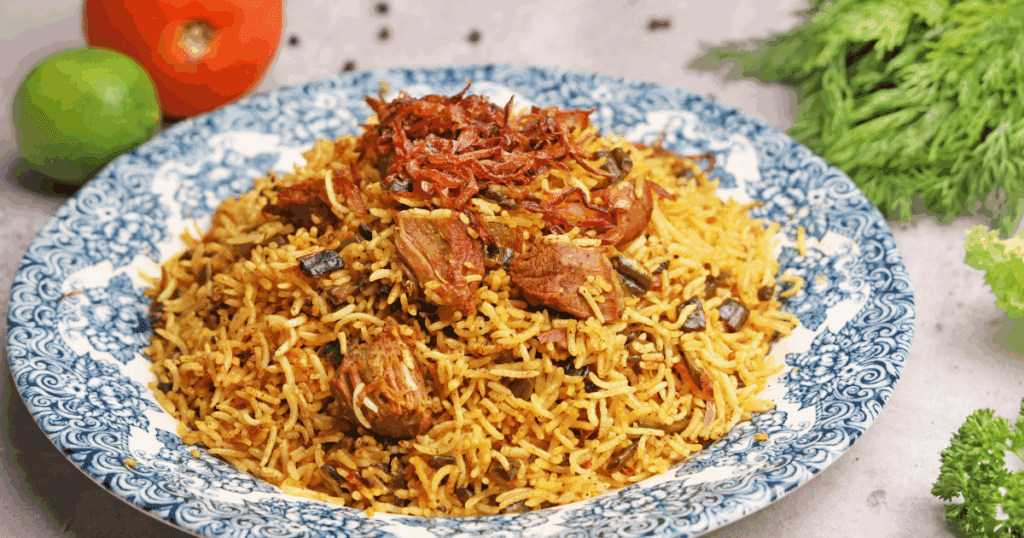
Let’s be honest when biryani’s done right, it steals the show. Whether it’s a weekend family lunch, a festive get-together, or a quick midweek craving, there’s something about a pot of steaming biryani that brings everyone to the table. But if you’ve ever followed a recipe perfectly and still ended up with clumpy or bland rice, you’re not alone.
The secret often isn’t in the spices or cooking method it starts much earlier, with the rice itself. And not just any rice. Basmati Rice is the soul of biryani, and choosing the wrong type can ruin even the most flavorful dish.
In the UAE, we’re lucky to have access to dozens of rice brands from India, Pakistan, and across the world. But that also makes it easy to get overwhelmed. Long grain, aged, parboiled, sella, steamed what does it all mean? And how do you know which one actually works best for biryani?
In this blog, we’ll walk you through why the right basmati rice really matters, how to spot the good stuff, and what to look for when you buy basmati rice online in Dubai. Let’s make sure your next biryani is as perfect as it should be.
Why Choosing the Right Basmati Rice Matters
- Aroma and Flavor: Quality basmati has a naturally nutty and floral aroma thanks to compounds like 2‑acetyl‑1‑pyrroline. Up to 65% of these aroma compounds activate during cooking, giving your biryani that signature fragrance.
- Grain Texture: Proper basmati grains elongate 2–2.5 times their original length when cooked, remaining separate and fluffy, not mushy. This makes each grain distinct in your biryani.
- Aging Effect: Aged basmati (often two years) cooks more evenly, releases more aroma, and resists breaking key for dum style biryani.
- Authenticity, Purity & Cooking Behavior: Authentic Indian or Pakistani basmati is slender and long. Diluted or adulterated versions cook unevenly, clump, or lack aroma. Tests like grain uniformity, GI certification, and hand-rub firmness help verify authenticity.
In Dubai, where ingredients are world class and tastes are sophisticated, settling for average rice just doesn’t cut it.How to Check the Quality of Basmati Rice
Here’s your checklist no lab needed:
- Look at the grains: They should be at least 7–8 mm long, slender, and uniform in size. Avoid broken halves or too-shiny, overly polished rice.
- Hand-rub test: Rub a few grains between your fingers. Quality basmati feels firm and doesn’t snap easily.
- Smell after cooking: Good basmati releases a floral, nutty aroma. That’s what you want wafting from the pot.
- Cooked look: Fluffy, elongated, separated grains not clumps or sticky rice. They should expand lengthwise, not width-wise.
- Brand and certifications: Look for trusted brands like Royal, Daawat, or Pusa Basmati. Check for GI tags or export labels like KRBL (India Gate) known for consistency in Gulf markets.
Bonus tip: Try a small sample first, cook it, test aroma and texture then commit to a larger bag if it meets standards.
To sum it up, not all Basmati Rice is created equal. Your biryani’s aroma, fluffiness, and texture depend heavily on using real, aged, high‑quality grains. Choosing the right rice where the grains elongate, smell divine, and stay separate is the foundation of a great biryani.
At Grubss, we stock premium brands that meet these quality checks, so you can Buy Basmati Rice in Dubai with confidence. Whether you’re cooking at home in Deira or hosting a festive meal in Al Barsha, the right rice makes all the difference.
So next time you plan a biryani don’t just pick any rice. Choose well, prep well, and your pot of biryani will speak for itself. You’ll taste the difference grain by grain.