
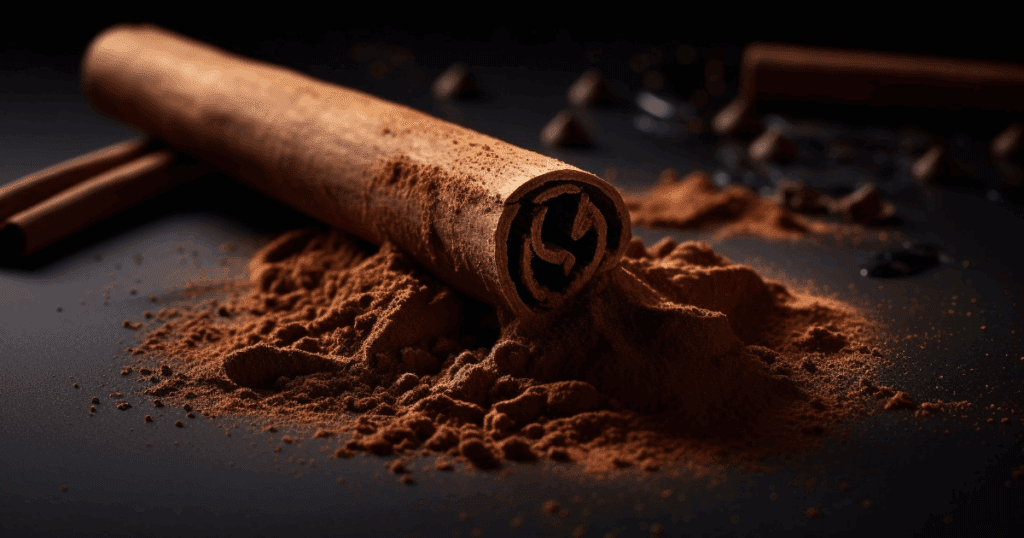
Few spices have traveled as far and influenced as many cultures as cinnamon. What began thousands of years ago in the lush forests of Sri Lanka and southern India became one of the most sought-after treasures along the ancient Spice Routes. Traders once guarded its origins so closely that myths spread about cinnamon being harvested from bird nests or hidden valleys—proof of how valuable it was to empires and merchants alike.
As cinnamon made its way across continents, it became more than just a flavor enhancer. In ancient Egypt, it was used in sacred rituals and embalming. In Greece and Rome, it was a luxury symbol, reserved for the wealthy. Along the Silk Road, it flavored teas, stews, and medicinal brews, weaving its way into the very heart of Asian and Middle Eastern cuisines.
Today, that same spice sits in kitchens across Dubai, connecting households to a story that spans centuries. Whether it’s sprinkled on desserts, stirred into coffee, or simmered in curries, cinnamon continues to blend tradition with everyday life. Its global journey reminds us that what we add to our shopping carts carries histories, cultures, and flavors that unite people across the world.
The Cultural Significance of Cinnamon in Middle Eastern & Asian Cuisines
Cinnamon’s story begins in ancient Sri Lanka and parts of India, where “true cinnamon” (Cinnamomum verum) was treasured and tightly guarded. Traders transported it along the Spice Routes and the Silk Road, weaving it into the hearts of Middle Eastern bazaars and Asian kitchens by 2000 BC.
In Middle Eastern and Asian cooking, cinnamon is more than just a spice, it’s a cultural staple. Think of fragrant Persian rice, slow-cooked tagines with cinnamon warmth, or Indian curries softened with a hint of spice. In Lebanon, for example, cinnamon is paired with anise in herbal teas. In Korea, cinnamon tea known as Gyepi-cha—warms from the inside out.
It plays both sweet and savory roles, deepening flavor layers in stews, pastries, and drinks alike. Cinnamon links centuries of culinary traditions, and even today, homes in Dubai respect that history through every sprinkle and stir.
10 Delicious Recipes That Use Cinnamon Sticks for Flavor & Aroma
Cinnamon sticks known as quills are perfect for infusing aroma and flavor into food and drinks. Here are ten simple, satisfying ways to use them:
- Morning Coffee or Tea Stirrer – Use a cinnamon stick to stir your hot beverage it slowly infuses flavor as you sip.
- Simmered Oatmeal – Drop a stick into your oats as they cook for a warming twist.
- Rice Infusion – Add a stick to rice or pilafs for aromatic depth.
- Pho or Broth – Infuse your cooking broth with a stick before serving.
- Baking Powder – Grind a stick into fresh cinnamon for baking cakes or cookies.
- Sweet Cinnamon Tea – Steep sticks with water (and optional ginger) for a cozy herbal drink.
- Cinnamon Roll Crumble Cake or Frosting – Sprinkle freshly ground cinnamon for fresh warmth.
- Cinnamon-Infused Desserts – Recipes like Sicilian cinnamon frost use sticks for infusions.
- Cocktail Flavor – Use sticks to flavor or garnish cocktails—cinnamon simple syrup is a season favourite.
- Scent Simmer Pots – Let cinnamon simmer with citrus and spices to scent your kitchen naturally.
From sweet to savory and comforting to festive, cinnamon sticks upgrade everyday cooking in simple but impactful ways.
Cinnamon’s journey across oceans, deserts, and centuries means it brings more than flavor. It carries stories of cultures, comfort, and creativity. Whether in a curry simmer, a scented tea, or a decadent dessert, cinnamon sparkles with history and warmth.
At Grubss, you can buy packed Cinnamon easily—choose between delicate Ceylon or robust cassia. Every pack brings tradition to your home, with flavor and aroma that connect kitchens across the globe.
Let the rich scent of cinnamon transform your cooking and your home.