
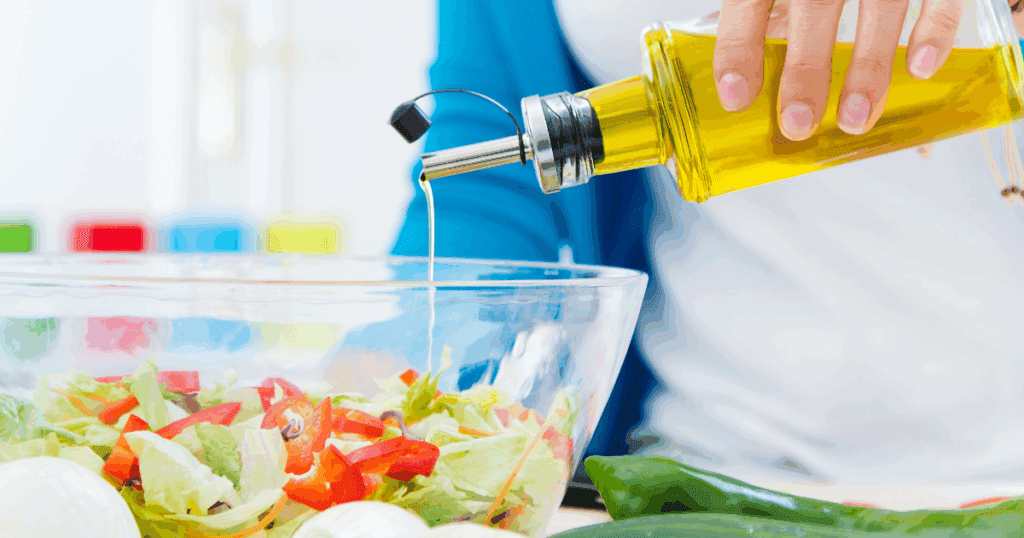
Vegetable oil is one of those everyday kitchen essentials that often goes unnoticed, yet it plays a vital role in shaping the way we cook and enjoy food. From a quick stir-fry at home to large-scale frying in restaurants, vegetable oil offers versatility, consistency, and reliability that few other ingredients can match. Its neutral flavor makes it a perfect base for countless dishes, while its high smoke point ensures that foods are cooked evenly without burning. Whether used for sautéing vegetables, grilling meats, baking pastries, or preparing deep-fried favorites, it acts as the silent backbone of countless recipes around the world.
In professional kitchens, where speed and efficiency matter, vegetable oil helps chefs create meals that are both delicious and consistent. At home, it gives families the freedom to explore different cooking methods without worrying about overpowering flavors. With health-conscious choices on the rise, many households also prefer lighter, refined versions that balance taste with nutrition. From keeping meals crispy to enhancing everyday cooking routines, vegetable oil is more than just a pantry staple it’s a bridge between tradition and modern culinary needs, serving both households and restaurants with the same reliability.
Why neutral, high smoke-point oils are the workhorses of frying, grilling, and baking
A lot of everyday cooking needs an oil that won’t overpower the food or burn at high heat. That’s where refined vegetable oils like refined sunflower, canola (rapeseed), soybean, and certain blends shine. They resist smoking at higher temperatures and leave the dish’s flavors front and center. Chefs and home cooks choose oils with higher smoke points for frying and searing because overheating an oil not only creates off flavors but can also form compounds you don’t want in your food. Practical guides and cooking experts note the importance of matching the oil’s heat tolerance to the cooking method when you’re handling anything from shallow pan-frying to deep frying
Health and stability: picking oils that stand up to heat
Not all vegetable oils behave the same when heated. Oils high in monounsaturated fats — such as some canola and high oleic sunflower oils are more stable during frying and less likely to oxidize quickly. From a nutritional point of view, health organizations encourage replacing saturated fats (like some animal fats) with unsaturated vegetable oils for everyday cooking.
That switch helps manage cholesterol and supports heart health when paired with an overall balanced diet. Still, how an oil is processed and how hot it gets during cooking matter for both flavor and nutrition, so choose refined, heat-stable options for intense cooking and gentler, unrefined oils (olive oil, avocado) for dressings and low to medium heat.
Versatility at scale: one oil for sautéing at home and service lines in restaurants
Restaurants and caterers often need a single oil that can do many jobs: sautéing, deep frying, and sometimes even baking. The priorities are similar across kitchens: a neutral taste, consistent performance at high heat, good shelf life, and a price that keeps food costs manageable.
That’s why bulk vegetable oil blends and refined seed oils are so common in food service they’re predictable, affordable, and work across many menu items. Commercial kitchens also look for oils that drain and filter well and that can handle repeated heating cycles without breaking down rapidly. These practical needs explain why many businesses Buy Fresh Vegetable Oil in larger quantities and on reliable delivery schedules.
Tips for home cooks and operators: getting the most from your oil
- Match oil to method: use refined, high-smoke-point vegetable oils for frying and searing; use unrefined olive or sesame for finishing and dressings.
- Watch heat: avoid overheating. If oil smokes, lower the heat and, if needed, replace the oil — burnt oil tastes bad and affects the whole dish.
- Store right: keep bottles sealed and away from light and heat. Stored well, refined oils last longer; when a stored oil smells off, toss it.
- Reuse carefully: restaurants filter and test frying oil; at home, strain oil after cooling and reuse only a few times for similar foods.
For busy households and food businesses, convenience matters. Grubss provides same-day delivery and bulk options so you can stock up and Buy Fresh Vegetable Oil without extra trips.
Cooking becomes easier and more enjoyable when you have the right ingredients on hand. Just as a well-prepared recipe depends on balance and care, choosing the right oil can make a big difference in taste and quality. That’s why many kitchens rely on Fresh Vegetable Oil for its consistent performance and versatility. It’s an ingredient that seamlessly fits into everyday cooking, from frying and baking to grilling and sautéing. If you’re looking to elevate your meals while keeping them light and flavorful, Fresh Vegetable Oil is the dependable choice your kitchen truly deserves.