
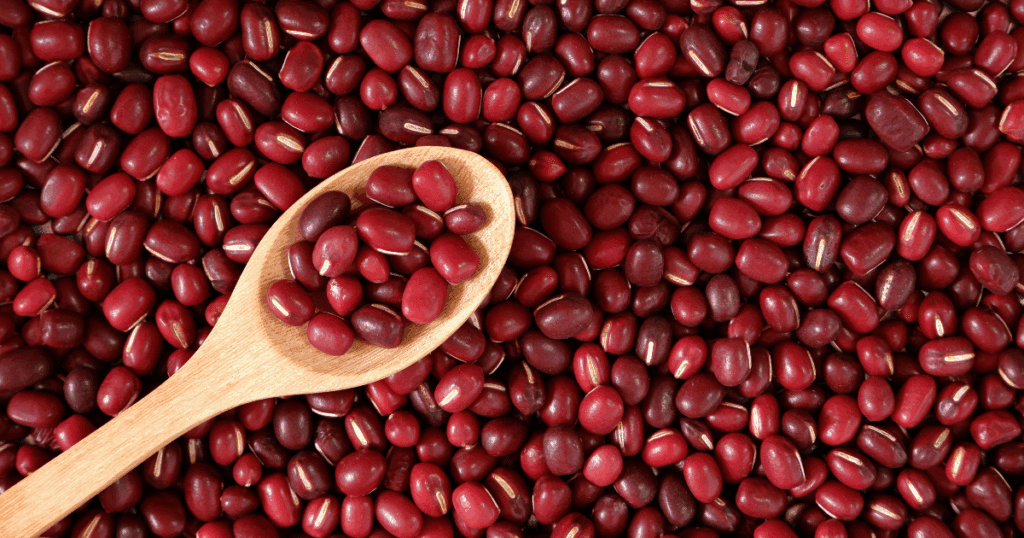
Rajma, or red kidney beans, is more than just a beloved comfort food in Indian households, it’s a nutrition packed ingredient that supports overall wellness. In recent years, research has highlighted how rajma contributes to better heart health and improved blood sugar control, making it a smart choice for people looking to eat well without giving up taste. Rich in plant-based protein and loaded with dietary fiber, rajma helps you feel fuller for longer, making it easier to manage weight and avoid unhealthy snacking.
One of rajma’s standout benefits is its ability to support heart health. The fiber helps reduce cholesterol, while minerals like potassium and magnesium keep blood pressure in check. For those managing diabetes or aiming for balanced energy, rajma’s low glycemic index ensures that blood sugar levels remain steady after meals. Beyond that, rajma is a powerhouse of antioxidants, which fight inflammation and protect the body from oxidative stress.
Whether served as a light curry, added to salads, or blended into soups, rajma is as versatile as it is healthy. Let’s dive into how red kidney beans can fit into everyday meals while supporting heart wellness and blood sugar balance.
Rajma for Wellness — Nutritional Powerhouse for Heart & Glucose Management
What makes rajma special?
For starters, it’s rich in plant-based protein and fiber. A 100 gram serving of boiled kidney beans provides around 8-9 grams of protein plus substantial fiber. Fiber slows digestion, promoting fullness and helping prevent spikes in appetite, which supports weight-management.
Moreover, rajma has a low to moderate glycemic index. That means after eating rajma, your blood sugar tends to rise more slowly than with many refined carb foods.
For people managing diabetes or wanting steady energy, this is a serious benefit.
For heart health, red kidney beans contribute in several ways, their fiber helps reduce LDL (bad cholesterol), minerals like potassium and magnesium help with blood pressure control, and antioxidants in the beans fight inflammation. So when you eat dishes with red kidney beans, you’re doing more than enjoying good taste, you’re helping your heart and metabolism.
Key Nutrients in Rajma — Protein, Fiber, and Minerals That Support Health
Here’s what you get when rajma is part of your regular diet:
- Protein: Important for muscle repair, cell function, satiety. Rajma offers plant-protein that’s great for vegetarians or anyone wanting leaner proteins.
- Dietary Fiber: Both soluble and insoluble fiber in rajma slow digestion, help with gut health, and contribute to feeling full longer.
- Minerals: Iron, magnesium, potassium are abundant. Iron supports energy especially helpful if you feel tired; potassium + magnesium pair well to help regulate blood pressure.
- Antioxidants & Phytonutrients: Rajma also contains compounds that fight oxidative stress bad for cells and inflammation, helping protect cardiovascular health.
To get the benefits, soak rajma overnight or at least several hours, cook thoroughly, pressure cooking helps, rinse well, and pair with veggies, spices, and whole grains. This helps reduce anti nutrients, improve digestion, and preserve the health benefits.
Recipes That Help — Light Rajma Curries & One-Pot Meals for Balanced Living
Enjoying rajma doesn’t mean heavy, creamy sauces or lots of oil. Here are lighter recipe ideas that deliver wellness and flavor:
- Rajma Salad: Use boiled red kidney beans, chopped cucumber, tomato, onions, some coriander, lemon juice, a hint of olive oil. Light, refreshing, great with whole-grain sides.
- Light Rajma Curry: Skip heavy cream and minimize fat; use tomato-onion gravy, spices like cumin, coriander, turmeric; a small amount of ghee or olive oil. Add veggies for more fiber.
- One-Pot Rajma & Rice with Vegetables: Use brown rice or mixed grains; cook rajma with mild spices, add carrots, bell peppers or spinach; season with herbs. A balanced, comforting meal.
- Rajma Soup: Blend rajma with broth, garlic, a dash of chili or pepper, maybe some carrots and herbs. A warm, soothing option that’s easy on stomach and blood sugar.
Tip: Portion control matters. Even healthy foods can add up if portions are large. Use moderate rajma amounts, say ½ cup cooked as part of a meal and balance with vegetables and whole grains.
Incorporating red kidney beans into your diet is a simple yet powerful way to care for your heart, manage blood sugar, and enjoy filling, flavorful meals. Their protein, fiber, and essential minerals make them a perfect everyday ingredient that supports long-term wellness. From light curries to hearty soups, rajma proves that healthy eating doesn’t have to compromise on taste. Next time you plan your meals, add a serving of red kidney beans and let your food work for your health.