
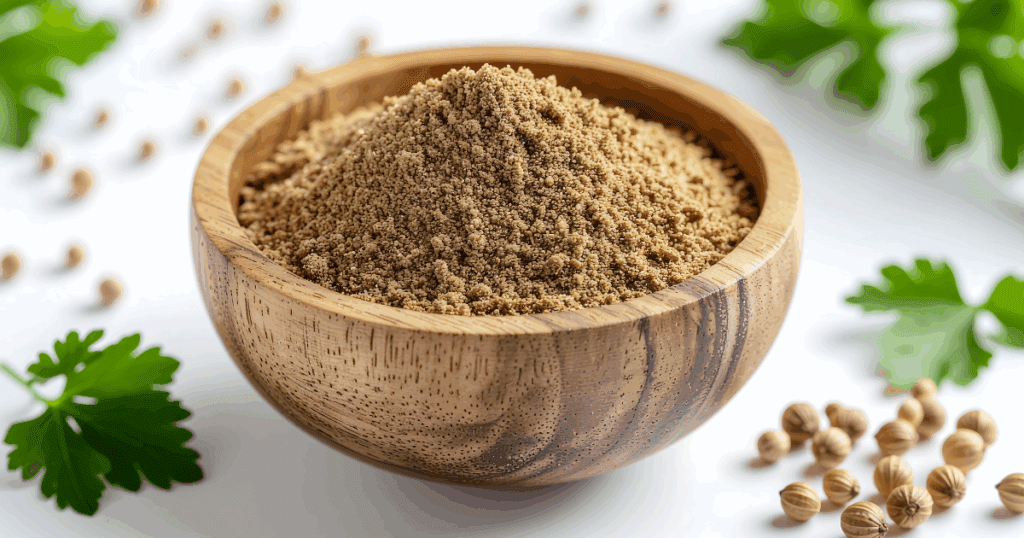
If you’ve ever wondered what makes your favorite curries, soups, or marinades taste so comforting, the secret often lies in one humble ingredient — coriander powder. Derived from dried coriander seeds, this spice has been a cornerstone of kitchens worldwide for centuries. It’s mild, slightly citrusy, and earthy, making it an excellent base spice that ties flavors together without overpowering a dish.
For beginners stepping into the world of cooking, coriander powder is one of the easiest spices to understand and use. Unlike some bold spices that demand caution, coriander powder blends seamlessly with a variety of flavors. Whether you’re preparing a hearty curry, a light soup, or even a simple vegetable stir-fry, it can transform everyday meals into something memorable.
In this guide, we’ll walk you through how coriander powder is made, how to use it, the dishes where it shines, and what flavors pair best with it. By the end, you’ll know exactly why every pantry deserves a jar of this everyday spice and how you can get started experimenting with it.
How Coriander Powder Is Made? How to Use Coriander Powder in Your Daily Cooking
Coriander powder begins its journey as tiny seeds from the coriander plant. These seeds are carefully dried and then ground into a fine, fragrant powder. The result is a versatile spice that delivers gentle warmth and a touch of freshness to dishes. Unlike raw coriander seeds, which have a stronger bite, the powder form is subtle and well suited for layering flavors.
Using coriander powder in daily cooking is straightforward. A teaspoon or two is usually enough for most recipes. You’ll find it especially helpful when cooking dishes that need a base layer of flavor before adding other spices. It works well when sauteed in oil with onions, garlic, or tomatoes, creating a flavorful base for curries and gravies. You can also sprinkle it into soups or stews toward the end of cooking to round off the taste.
Beginners often ask whether coriander powder should be added at the start or end of cooking. The answer is both adding it early enhances depth, while adding it later keeps its freshness intact. That’s why it’s one of the most forgiving spices you can experiment with. If you’re curious about where to start, it’s as easy as trying it in a simple curry, a marinade, or even a salad dressing.
Basic Dishes Where Coriander Powder Shines — Curries, Soups, and Marinades
If there’s one thing coriander powder excels at, it’s versatility. Its subtle taste allows it to blend effortlessly into a wide range of dishes. Here are some classic ways it’s used:
- Curries: From vegetable curries to lentil dals and chicken gravies, coriander powder acts as the base flavor that ties everything together. It gives curries their warm, earthy background.
- Soups and Stews: Add a teaspoon to lentil soup or a hearty bean stew, and you’ll notice how it boosts the flavor without taking the spotlight.
- Marinades: Coriander powder, when mixed with garlic, ginger, and yogurt, makes for a flavorful marinade for chicken, fish, or even paneer. It not only seasons the dish but also helps tenderize proteins.
- Rice and Grain Dishes: Mixing coriander powder into pilafs or quinoa bowls can give them a comforting lift.
One of the most exciting things about coriander powder is how well it pairs with other flavors. If you’re just starting out in the kitchen, this can take away the guesswork.
- Spices: Coriander powder works beautifully with cumin, turmeric, and chili powder. These combinations are the backbone of many curry powders and spice mixes you’ll find in kitchens worldwide.
- Herbs: Pair it with fresh cilantro, parsley, or mint to enhance its natural citrusy undertone.
- Proteins: It complements chicken, fish, legumes, and tofu exceptionally well.
- Vegetables: Root vegetables like carrots and potatoes, as well as greens like spinach, all pair wonderfully with coriander’s earthy warmth.
- Acids: A splash of lemon or lime juice alongside coriander powder brightens dishes and balances the flavor.
What makes coriander powder so beginner-friendly is that you don’t have to worry about “overdoing it.” Unlike strong spices such as chili powder, coriander is forgiving and adaptable.
So the next time you’re cooking, think about where you can add this spice. You’ll quickly see how a pinch of it turns ordinary food into something deeply satisfying.
For beginners, one of the easiest tricks is to use coriander powder in combination with cumin powder. Together, they create a well-rounded base for almost any savory dish. If you’re looking for a shortcut, you can also buy curry powder, which typically contains coriander powder as a main ingredient along with other spices. This is perfect when you want flavor without blending spices from scratch.
Coriander powder may not scream for attention, but it’s one of the most reliable spices you can have in your kitchen. It brings depth, freshness, and balance to countless recipes without overwhelming your taste buds. Whether you’re making curries, soups, or marinades, coriander powder will always have a role to play.
At Grubss, we believe good food starts with good ingredients. Stocking up on coriander powder is a small step that opens the door to flavorful, home-cooked meals a reminder that even simple spices can make cooking enjoyable and rewarding.